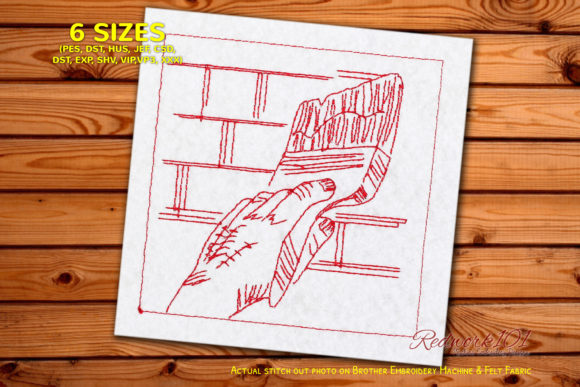
Painting Wall with Paintbrush
As an embroidery designer with years of experience in custom apparel and boutique brand development, I always approach new Creative Fabrica embroidery designs with a critical eye. The Painting Wall with Paintbrush is no exception. This redwork-style design has a unique visual personality that could elevate a range of projects, from casual sweatshirts to statement tote bags.
First Impressions: A Design That Speaks Creatively
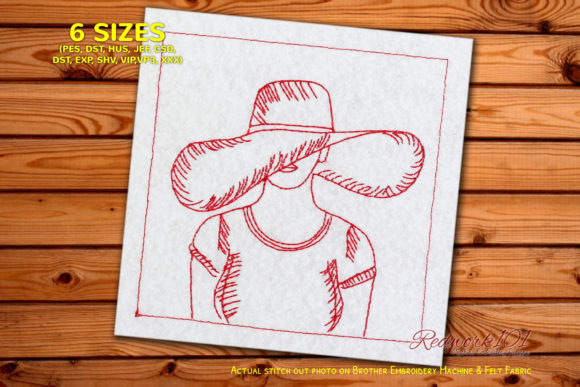
The Painting Wall with Paintbrush exudes a rustic, handcrafted charm that feels both nostalgic and modern. Its stitching mood is gentle yet expressive, making it ideal for brands that want to convey a creative, artisanal vibe. The detail level is impressive, with intricate brushstrokes and a soft, painterly aesthetic that doesn’t feel overly complex or overwhelming.
This design has a decorative strength that can stand alone as a focal point or blend seamlessly into a larger collection. It leans toward the feminine and playful side, but its simplicity also allows it to feel classic and timeless. Whether you're targeting a bohemian crowd or a more minimalist audience, this embroidery file offers versatility.
Practical Applications for Apparel Projects
For sweatshirt embroidery, the Painting Wall with Paintbrush works best on neutral or pastel backgrounds where the redwork details can pop. On dark garments, the design may require careful thread color contrast to ensure visibility. When used as a hoodie chest placement, it adds a subtle touch of personality without overpowering the overall look.
As a sleeve accent, the design’s size and shape allow for creative placement, especially on oversized or relaxed-fit styles. For back designs, it can serve as a bold statement piece, particularly on t-shirts or denim jackets. The tote bag design version of this embroidery is also a strong contender for handmade product displays or lifestyle photos.
Where to Use the Design Carefully
While the Painting Wall with Paintbrush is versatile, there are areas where caution is advised. On small chest placement, the design may appear too large or crowded. In dense stitch areas, the embroidery could become stiff or less flexible, affecting the garment’s comfort.
When working with stretchy fabric, such as fleece or ribbed material, it’s important to test the design thoroughly. The stitch density may need adjustment to prevent puckering or distortion. Similarly, curved surfaces or tiny lettering could be challenging if the design isn’t optimized for those applications.
Impact on Brand and Customer Perception
Using the Painting Wall with Paintbrush can enhance the perceived value of your custom apparel. As an Etsy seller or small shop product creator, this design can help build brand identity by offering a unique, artistic element that stands out from generic patterns.
It also contributes to professional presentation and visual consistency across your product line. When paired with printable mockups or social media graphics, it creates a cohesive look that resonates with customers. Moreover, the design’s aesthetic can boost customer engagement by appealing to crafters and art lovers who appreciate thoughtful, hand-crafted details.
Embroidery Designer Notes: Best Practices
Before finalizing any project with the Painting Wall with Paintbrush, I recommend testing the embroidery file on scrap fabric. This helps identify potential issues with stabilizer choice, thread colors, or hoop size. If the design is intended for commercial use, confirm the licensing terms to ensure compliance.
Also, review the stitch density and adjust as needed for different fabric textures. For commercial embroidery projects, consider how the design will perform on similar garment fabrics. Comparing placement options can also help determine the most effective way to showcase the design.
Conclusion: A Versatile Embroidery for Creative Brands
The Painting Wall with Paintbrush is a compelling addition to any creative fabrica embroidery collection. Its blend of style and functionality makes it suitable for a wide range of boutique merchandise, from seasonal outfits to lifestyle products. While it may not be ideal for every project, when used thoughtfully, it can add a distinctive touch to your manual product offerings.